English
- All
- Product Name
- Product Keyword
- Product Model
- Product Summary
- Product Description
- Multi Field Search

Views: 0 Author: Site Editor Publish Time: 2026-07-15 Origin: Site
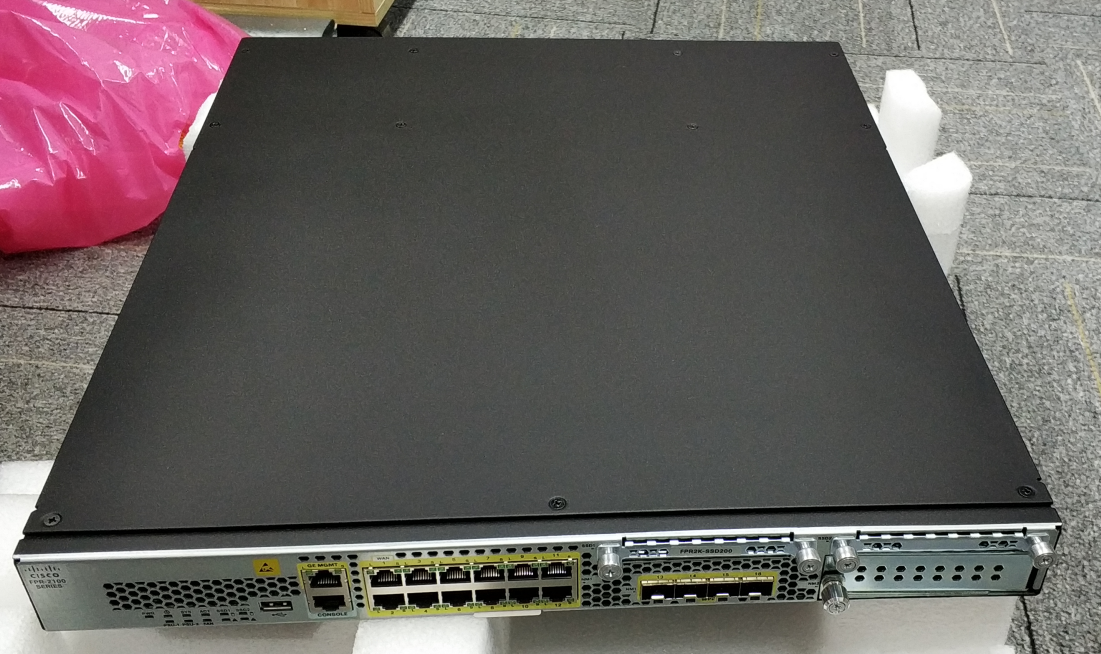
Cyber threats are becoming more advanced every year. Businesses today face increasingly complex security challenges, including ransomware attacks, malware infections, unauthorized access, and data breaches.
Traditional firewalls have played an important role in network protection for decades. However, as applications, cloud services, and cyberattacks continue to evolve, many organizations are upgrading to Next-Generation Firewall (NGFW) solutions for stronger security capabilities.
So, what is the difference between a Next-Generation Firewall and a traditional firewall? Which firewall solution is better for enterprise networks?
This article explains the key differences between NGFW and traditional firewall technologies, their features, advantages, limitations, and how businesses can choose the right firewall solution.
A traditional firewall is a network security device designed to monitor and control traffic between trusted and untrusted networks.
The main purpose of a traditional firewall is to allow legitimate traffic while blocking unauthorized connections based on predefined security rules.
Traditional firewalls mainly operate using:
1.IP addresses
2.Port numbers
3.Network protocols
4.Access control lists (ACLs)
For example, a traditional firewall may allow HTTP traffic through port 80 while blocking unauthorized connections from unknown sources.
Traditional firewalls provide basic network protection and remain widely used in many small and medium-sized environments.
Traditional firewalls inspect network packets and compare them against configured security policies.The basic process includes:
1.A data packet enters the firewall.
2.The firewall checks packet information.
3.Security rules are applied.
4.The firewall allows or blocks the traffic.
Traditional firewalls typically use technologies such as:
Packet filtering examines individual packets based on:
1.Source IP address
2.Destination IP address
3.Port number
4.Protocol type
It provides fast traffic filtering but has limited ability to understand the content of network communication.
Stateful inspection tracks active network connections and understands the relationship between traffic sessions.For example:
1.A user sends a request to access a website.
2.The firewall remembers this connection.
3.The response traffic is allowed because it belongs to an approved session.
Stateful inspection provides stronger security than basic packet filtering.
A Next-Generation Firewall (NGFW) is an advanced firewall solution that combines traditional firewall capabilities with additional security technologies designed to protect modern enterprise networks.
Unlike traditional firewalls that mainly focus on IP and port filtering, NGFW solutions analyze applications, users, content, and potential threats.
A modern NGFW typically includes:
1.Traditional firewall protection
2.Intrusion Prevention System (IPS)
3.Deep Packet Inspection (DPI)
4.Application awareness and control
5.Advanced malware protection
6.Threat intelligence
7.SSL/TLS inspection
8.User identity management
NGFWs are widely deployed in enterprises, data centers, government networks, and large organizations that require stronger cybersecurity protection.
NGFW solutions perform deeper analysis of network traffic compared with traditional firewalls. The inspection process includes:
NGFW identifies:
--Applications being used
--Users generating traffic
--Devices accessing the network
--Traffic behavior patterns
For example, an NGFW can recognize whether traffic belongs to business applications, social media platforms, cloud services, or suspicious software.
Deep Packet Inspection (DPI) allows the firewall to analyze the actual content inside network packets.This enables the firewall to detect:
--Malware
--Suspicious files
--Exploit attempts
--Abnormal communication patterns
NGFW uses advanced security engines to identify and block cyber threats.
Common protection technologies include:
--Intrusion prevention
--Antivirus scanning
--Botnet protection
--Zero-day threat detection
--Security intelligence databases
The following table highlights the major differences between traditional firewalls and Next-Generation Firewalls.
Feature | Traditional Firewall | Next-Generation Firewall (NGFW) |
Traffic Filtering | IP address and port-based | Application, user, content-based |
Security Level | Basic protection | Advanced threat prevention |
Application Control | Limited | Full application visibility and control |
Intrusion Prevention | Usually unavailable | Built-in IPS capabilities |
Malware Detection | Limited | Advanced malware protection |
Deep Packet Inspection | Limited or unavailable | Supported |
User Identification | Limited | Supports user-based policies |
Threat Intelligence | Basic | Integrated threat intelligence |
Cloud Security | Limited | Cloud and hybrid support |
Modern businesses generate more network traffic than ever before.
Employees use:
1.Cloud applications
2.Video conferencing platforms
3.SaaS services
4.Remote access systems
5.Mobile devices
At the same time, cyber attackers use more advanced methods to bypass traditional security systems.
Traditional firewalls usually see traffic based on ports and protocols.
However, modern applications may use dynamic ports or encrypted connections.
For example:
A traditional firewall may identify HTTPS traffic but cannot determine whether the traffic belongs to a legitimate business application or a malicious program.
NGFW solutions can identify applications regardless of port usage.
Modern attacks often combine multiple techniques:
--Malware delivery
--Phishing
--Data theft
--Command-and-control communication
NGFW provides multiple security layers to detect and prevent these attacks.
Enterprise IT teams need detailed information about network activities.
NGFW provides visibility into:
--Applications
--Users
--Devices
--Security events
--Network behavior
This allows administrators to create more accurate security policies.
For organizations with critical network infrastructure, NGFW provides several advantages.
NGFW combines multiple security technologies into one platform:
1.Firewall
2.IPS
3.Antivirus
4.Application filtering
5.Web security
This reduces security gaps and improves overall protection.
Centralized management allows IT teams to:
1.Monitor security events
2.Configure policies
3.Analyze traffic
4.Generate reports
This improves operational efficiency.
Modern businesses depend on:
1.Cloud computing
2.Remote employees
3.Hybrid networks
4.Digital applications
NGFW solutions are designed to support these changing environments.
Many leading network security vendors provide enterprise-grade NGFW solutions.
Fortinet FortiGate is one of the widely deployed NGFW platforms, offering:
1.High-performance security inspection
2.Integrated threat protection
3.SD-WAN capabilities
4.Centralized management
Cisco Secure Firewall provides:
1.Advanced threat detection
2.Application visibility
3.Secure connectivity
4.Enterprise security management
Huawei enterprise firewall solutions provide:
1.High-performance protection
2.Intelligent threat detection
3.Cloud security integration
Juniper SRX delivers:
1.High-performance security services
2.Advanced routing capabilities
3.Enterprise network protection
Choosing the right firewall depends on your business requirements.
1.Small office networks
2.Basic Internet protection
3.Limited security requirements
4.Low-complexity environments
1.Enterprise networks
2.Data centers
3.Financial organizations
4.Government networks
5.Companies handling sensitive data
6.Businesses requiring advanced threat protection
Traditional firewalls remain useful for basic network protection, but modern cyber threats require more advanced security capabilities.
A Next-Generation Firewall provides deeper visibility, stronger threat prevention, and more intelligent network protection compared with traditional firewall solutions.
For businesses managing complex networks, cloud applications, remote users, and sensitive information, investing in an enterprise NGFW solution is becoming essential.
By choosing the right firewall technology, organizations can improve cybersecurity, reduce risks, and build a more secure network infrastructure for future growth.