

Views: 3 Author: Site Editor Publish Time: 2026-07-15 Origin: Site
In today's digital world, businesses rely heavily on network infrastructure to support daily operations, cloud applications, remote work, and data communication. However, as cyber threats become more advanced, protecting business networks has become a critical priority.
A firewall is one of the most essential network security devices used by organizations to control traffic, prevent unauthorized access, and protect sensitive business data. Whether you operate a small office, enterprise data center, or global network infrastructure, a properly configured firewall plays a key role in maintaining network security.
This article explains what a firewall is, how a firewall works, different types of firewalls, and why businesses need enterprise firewall solutions.
A firewall is a network security device or software system that monitors and controls incoming and outgoing network traffic based on predefined security rules.
Simply put, a firewall acts as a security barrier between a trusted internal network and untrusted external networks, such as the Internet. It analyzes data packets traveling through the network and decides whether to allow or block them.
For example:
--A user accesses a company application from the Internet.
--The firewall checks the connection request.
--The firewall evaluates security policies.
--If the traffic is legitimate, access is granted.
--If suspicious activity is detected, the firewall blocks the connection.
Modern businesses use advanced firewall solutions to protect against threats such as:
--Malware attacks
--Unauthorized access
--Data breaches
--Ransomware
--Phishing attacks
--Network intrusions
Businesses today manage large amounts of sensitive information, including customer data, financial records, intellectual property, and internal communications. Without proper security protection, networks can become vulnerable to cyber attacks.
A firewall provides several important security benefits.
One of the primary functions of a firewall is controlling who can access your network.
Firewalls use security rules to determine whether a connection should be allowed or blocked. For example, companies can restrict access from unknown IP addresses, suspicious locations, or unauthorized users.
This prevents attackers from gaining access to internal systems.
Modern cyber attacks are becoming increasingly sophisticated. Traditional security methods are often not enough to protect enterprise networks.
Enterprise firewall solutions provide advanced security features such as:
Intrusion Prevention System (IPS)
Intrusion Detection System (IDS)
Malware protection
Application control
Web filtering
Threat intelligence integration
These features help detect and block malicious activities before they damage business operations.
With the growth of remote work and cloud services, employees often need secure access to company resources from different locations.
Firewalls support secure VPN (Virtual Private Network) connections, allowing remote employees to access corporate networks safely.
A business firewall can provide:
Site-to-site VPN
Remote access VPN
Encrypted communication
User authentication
This ensures sensitive business data remains protected during remote access.
A firewall gives IT teams better visibility into network traffic.
Administrators can monitor:
Who is accessing the network
Which applications are being used
Where traffic is coming from
Which devices are connected
This visibility helps organizations identify unusual behavior and improve overall network management.
A firewall works by inspecting network traffic and applying security policies to determine whether traffic should be allowed or blocked.
The basic firewall process includes:
When data enters or leaves a network, it is divided into small units called packets.
A firewall examines important packet information, including:
Source IP address
Destination IP address
Port number
Protocol type
Application information
The firewall compares traffic information with predefined security rules.
Examples:
Allow:Internal employees accessing approved applications
Block:Unknown external users attempting unauthorized access
Based on the security policy, the firewall performs one of three actions:
Allow:The connection is permitted.
Block:The connection is rejected.
Monitor:The traffic is recorded for analysis.
Businesses can choose from several firewall technologies depending on their security requirements.
Packet filtering is one of the earliest firewall technologies.
It examines individual packets based on:
IP address
Port number
Network protocol
Advantages:
Simple configuration
Fast performance
Low cost
Limitations:
Limited security capabilities
Cannot deeply analyze applications
Packet filtering firewalls are suitable for basic network protection.
A stateful firewall monitors active network connections and understands the communication state between devices.
Unlike traditional packet filtering, it can determine whether traffic belongs to an existing trusted connection.
Benefits include:
Better security control
Improved traffic management
More accurate threat detection
Many enterprise firewalls use stateful inspection technology.
A Next-Generation Firewall provides advanced security capabilities beyond traditional firewall functions.
NGFW solutions combine:
Traditional firewall filtering
Intrusion prevention
Application awareness
Deep packet inspection
Advanced malware detection
Modern enterprises increasingly choose NGFW because it provides comprehensive protection against complex cyber threats.
Leading vendors such as Fortinet, Cisco, Huawei, and Juniper provide enterprise-grade NGFW solutions for businesses of different sizes.
Cloud firewalls protect cloud-based applications and infrastructure.They are commonly used by organizations running workloads on:
Public cloud platforms
Hybrid cloud environments
Software-as-a-Service applications
Cloud firewalls provide flexible security protection without requiring physical hardware deployment.
Firewalls can also be categorized by deployment method.
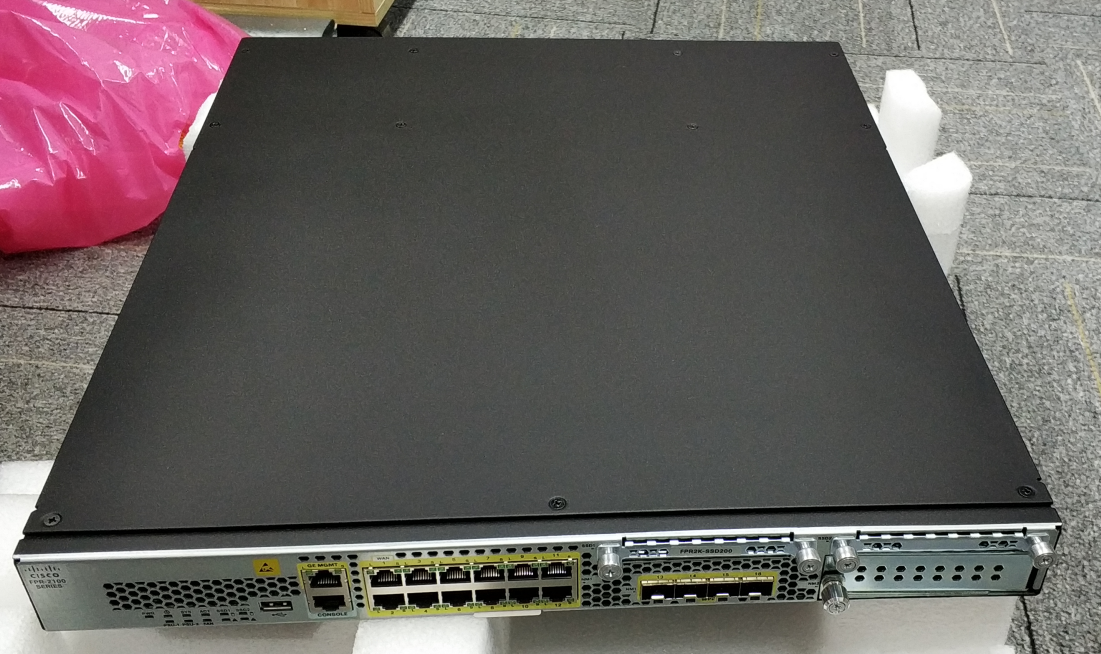
A hardware firewall is a dedicated physical security appliance installed between the Internet connection and internal network.
Common deployment locations:
Enterprise offices
Data centers
Campus networks
Advantages:
High performance
Centralized network protection
Supports many users
Suitable for enterprise environments
Examples:
Fortinet FortiGate firewall appliances
Cisco Secure Firewall appliances
Huawei USG series firewalls
A software firewall is installed directly on individual computers, servers, or virtual machines.
Advantages:
Easy deployment
Lower initial cost
Suitable for personal devices or small environments
However, software firewalls usually provide less network-wide protection compared with dedicated hardware firewall appliances.
Selecting the right firewall requires understanding your organization's network requirements.
Important factors include:
Firewall throughput determines how much traffic the device can process.
Businesses should consider:
Internet bandwidth
Number of users
Application requirements
Future growth
For companies with remote employees or multiple branches, VPN performance is critical.
Consider:
Maximum VPN users
VPN throughput
Encryption capability
Modern enterprise firewalls should support:
IPS protection
Anti-malware
Web filtering
Application control
Threat intelligence
Zero-day protection
A good firewall solution should support future business expansion.
Consider:
Additional users
Higher bandwidth
More network devices
Cloud integration
Small and large businesses face increasing cybersecurity challenges. A basic router with built-in security features is often not enough for protecting critical business networks.
Professional enterprise firewall solutions provide:
Advanced threat prevention
Centralized management
Better network visibility
High availability
Strong access control
Compliance support
For organizations handling sensitive information or operating multiple locations, deploying a dedicated firewall is an important investment in business continuity and cybersecurity.
A firewall is more than just a device that blocks unwanted traffic. It is a critical security component that protects business networks, prevents cyber attacks, and provides visibility into network activity.
As cyber threats continue to evolve, businesses should consider advanced firewall solutions such as Next-Generation Firewalls to build stronger security defenses.
Whether you need a firewall for a small office, enterprise network, or data center environment, choosing the right firewall solution can significantly improve your overall network security posture.
A reliable firewall helps businesses maintain secure, stable, and efficient network operations in today's connected world.


